An uncomfortable truth: the systems behind sustainable choices can create barriers to easy, everyday adoption
An interview with David French, CEO of My Drop in the Oceans and mydio.com
How did one man’s realisation of an uncomfortable truth in the sustainability space, drive his development of a business to help align everyday choices with environmental and societal outcomes, everyday?
Meet David French, CEO of My Drop in the Oceans and mydio.com. In this article, we hear more about his work, supported by the Geneva Network of Innovators (ge-ni), his professional journey, his perspective on the economic system we live in today, and the role of innovation in shaping more aligned incentives.
Make sure you read to the end to learn how his experience working in the music industry has helped shaped his approach to life and what is meaningful.
“sustainability will not scale if it continues to feel like a sacrifice”
David French
David, you focus on reshaping the economic incentives that influence everyday choices, to value nature, our planet and our communities. How did this work come about?
It emerged from a growing tension between awareness and action. The more conscious decisions became, the more they seemed to come with short-term trade-offs. That led me to explore the underlying system shaping those decisions.
And what is the Citizens Dividend, the cornerstone of your current business activity?
It recognises sustainable choices in real time by attributing tangible value to them. Through mydio, users earn points from everyday actions like public transport, and can use them with partner businesses.
Importantly, this is not intended as a traditional loyalty or rewards mechanism, but as a way to recognise and value positive contributions within the economic system itself.
Do you already have customers and suppliers?
Yes, we currently have around 25 partners across Switzerland, representing about 60 points of sale.
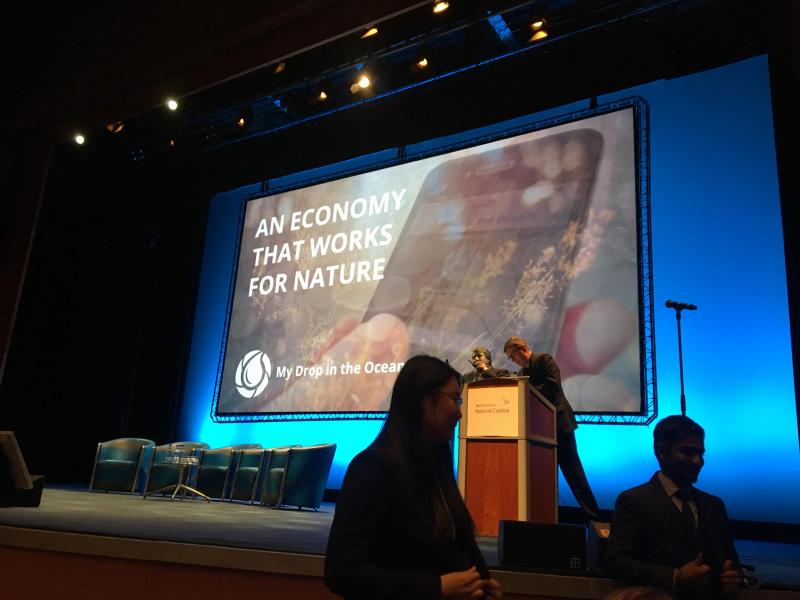
Changing the system behind everyday decisions is a solution-focused way to drive nature-positive choices and have real impact
“we ask people to change their behaviour, whilst leaving the system that drives it untouched”
David French
In one sentence, why does the world need this?
Because sustainability will not scale if it continues to feel like a sacrifice.
What excites you most about your current work?
The possibility of embedding sustainability directly into how the economy functions.
What’s your future vision i.e, within the next two years?
Demonstrating that when incentives, and the system behind them, are aligned, positive impact can scale without requiring the kind of sacrifice that holds people back.
What if the problem isn’t awareness… but the value signals behind everyday decisions?
David French
How can ge-ni benefit from this idea?
By acting as a bridge between innovation, institutions and implementation in Geneva’s ecosystem.
How did you hear about the ge-ni project and first get involved? Why do you think Geneva need an organisation like ge-ni?
I first got involved through conversations within the Geneva innovation ecosystem focused on systemic change. Geneva has strong institutions but needs better mechanisms to translate ideas into action. I believe that’s where ge-ni can add value.
What advice would you give to someone in the international Geneva community, who is thinking of developing a project?
I think it’s important to focus on incentives, not just ideas. Alignment determines adoption.
Do you have any thoughts on who could be potential partners to scale shared innovation in Geneva?
Actors influencing financial and infrastructure flows such as mobility and payment systems.
Do you have any requests or an ask to our audience? Is there a skillset or advice you are looking for?
I would like to connect with partners willing to experiment with embedding sustainability into economic systems.
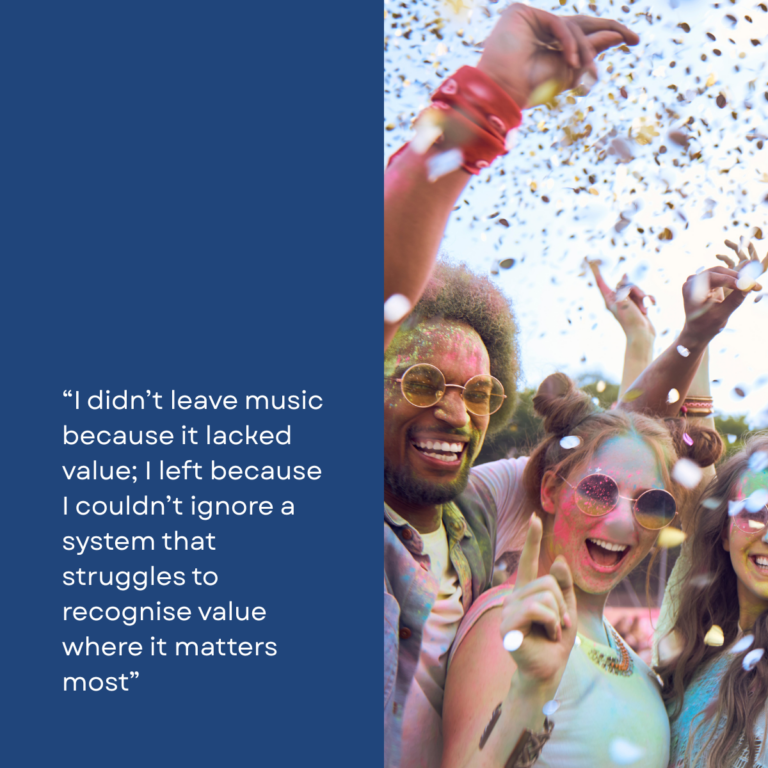
Thank you for talking us through what’s currently keeping you busy. It would be nice to know a bit more about you. So, who is David French?
Someone focused on questioning the assumptions underlying our economic systems.
Do you have any career highlights you would like to share?
I stepped away from a professional music career due to a growing sense of environmental urgency, leading to a focus on systemic sustainability challenges.
Are there any lessons or experiences you’ve had outside of work, which have shaped your professional choices or professional vision? For example, hobbies or voluntary work?
Music shaped how I think and create. It highlighted how some of the most valuable things in life don’t naturally fit into economic systems.
“I’m inspired by people who are willing to rethink the rules of the game, not just optimise within them”
David French
David, thank you for sharing the impact you are having in the Geneva community and the care you are taking to drive systemic change. As a final wrap-up, who or what inspires you?
If I had to name a few people, I would mention Sylvia Earle, Pavan Sukhdev, and Jochen Zeitz.
What they have in common is that they don’t just work within existing frameworks, they challenge the assumptions those frameworks are built on.
More broadly, I’m inspired by people who are willing to rethink the rules of the game, not just optimise within them.
This interview is part of a series exploring themes of innovation within the international community in Geneva, hosted by the Geneva Network of Innovators. The interview was conducted on 15th April 2026 and is correct at the date and time of publication.